A room-by-room fire safety walkthrough
Twenty minutes, one notepad and a walk through your home is all it takes to find the gaps in your fire plan.
Most home fire plans live in someone's head. Walking through the house room by room turns that idea into a short list of things to fix. Take a notepad, start at the kitchen and finish at the front door.
Kitchen: where most fires start
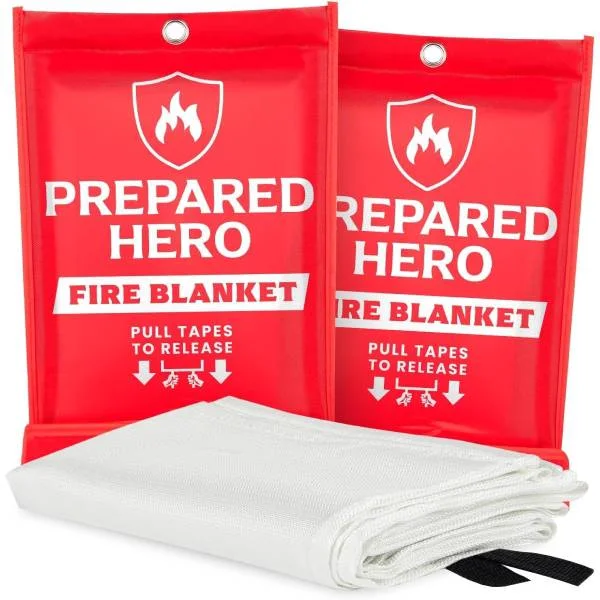
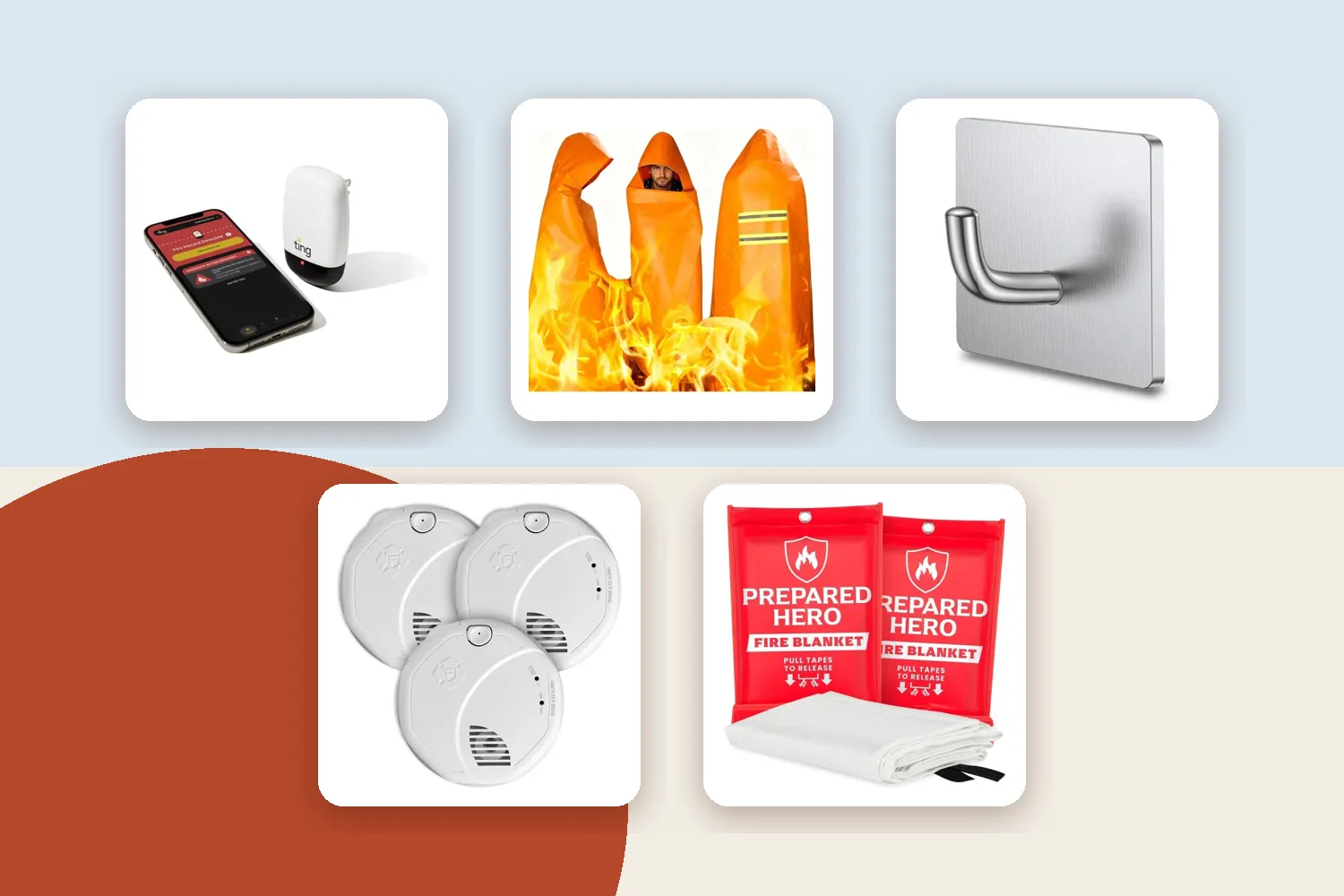
Cooking is the leading cause of home fires in the US. Keep a fire blanket within reach of the stove but not directly above it, so you never have to reach across flames. Mount it on a hook at shoulder height and make sure everyone in the house knows how to pull the tabs.
Never use water on a grease fire. Turn off the heat if it's safe to do so, cover the pan with a lid or blanket and leave it covered until it cools.
Hallways and bedrooms: alarms that talk to you
Install smoke alarms inside each bedroom, outside each sleeping area and on every level, including the basement. A combined smoke and carbon monoxide alarm covers two risks with one device. Test alarms once a month and replace them according to the manufacturer's date, usually after ten years.
Living areas: watch the wiring
Overloaded extension leads and ageing wiring cause fires that start quietly inside walls. An electrical fire prevention sensor plugs into an outlet and watches for the tiny arcs that come before a fault, so you can call an electrician early.
Upstairs: a second way out
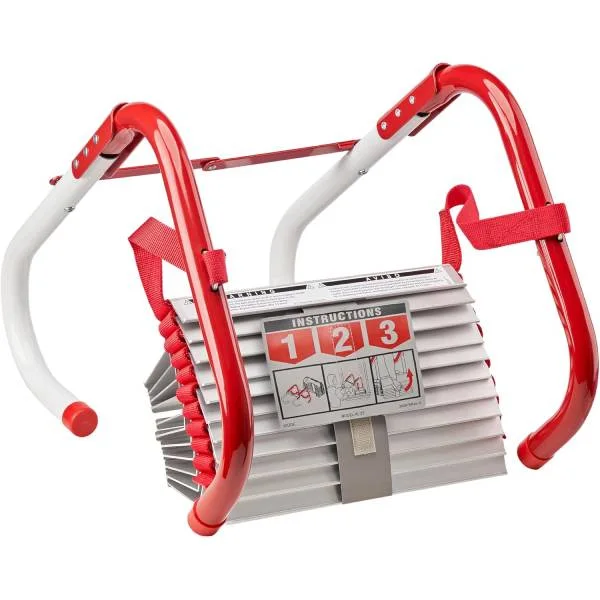
Every bedroom should have two ways out. On an upper floor the second exit is usually a window, which is only useful with an escape ladder stored nearby. Practise opening the window and unfolding the ladder in daylight so it isn't the first time when it matters.
Checklist
- Fire blanket mounted near, not over, the stove
- Smoke alarms in every bedroom and on every level
- Carbon monoxide alarm near sleeping areas
- Escape ladder in each upstairs bedroom
- A meeting point outside that everyone knows
- Twice-yearly fire drill on the calendar
Tip: Put the alarm test on the same day each month, such as the first Saturday, so it becomes a habit.